By Julian Collazo, Marketing Communications & Development Intern, GRCA
Published: April 21, 2026
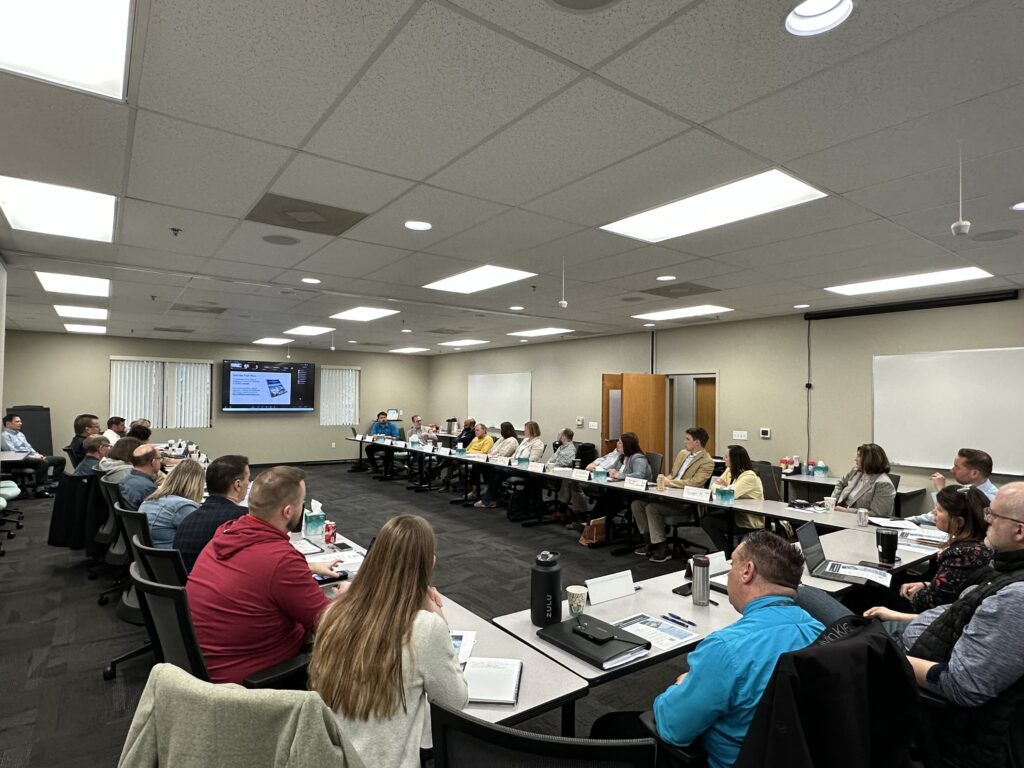
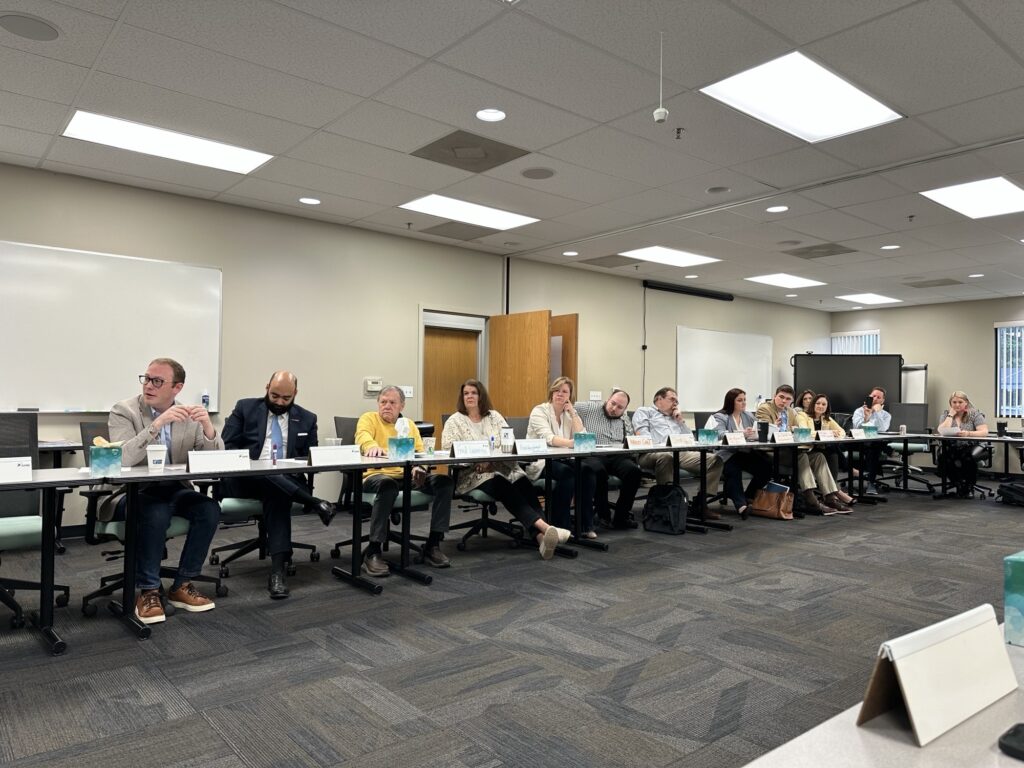
Housing in Berks County is no longer just a real estate issue. It is directly tied to workforce availability, economic growth and long-term community stability. At the April Business and Community Advocacy Council (BCAC) meeting, members focused on a central question: how do we build more homes that working people can actually afford?
A key part of that discussion was Pennsylvania’s first statewide housing strategy. Morgan Boyd, Special Assistant to the Secretary to the Pennsylvania Department of Community and Economic Development (DCED), presented the Commonwealth’s Housing Action Plan, which outlines five core priorities and 28 initiatives aimed at addressing the state’s growing housing shortage. Those priorities include:
- Build and Preserve Pennsylvania’s Housing Stock
- Expand Housing Opportunity for All Pennsylvanians
- Provide Pathways to Housing Stabilization and Sustainability
- Modernize Pennsylvania’s Housing Development Regulations
- Achieve Operational Excellence Across State and Local Government
From those priorities, several proposals stood out. These include increasing the housing build rate by 70 percent by 2035, creating a $1 billion infrastructure fund and introducing a gap financing tax credit to encourage housing development in areas where market conditions make it difficult to build.
Another major focus is reforming the Municipal Planning Code process. Housing developments in Pennsylvania currently take an average of 23.2 months to receive approval, a timeline that adds cost and limits supply. Reducing that timeline would help remove barriers that slow down new housing development.
While the statewide plan provides a framework, the Reading Berks Association of Realtors (RBAR) State of the Market data presented at the meeting showed the urgency for affordable housing in Berks County. The median home sale price is now about $290,000, while the lowest-priced new construction home recently sold for $349,900. That price point requires a monthly mortgage payment of roughly $2,200.
But for many workers, those numbers are out of reach. The average salary for teachers in the county is about $61,000, while nurses earn around $67,000. This gap between income and housing costs continues to limit homeownership opportunities, particularly for first-time buyers.
Discussion at the meeting reinforced that the current market is producing homes at price points that do not align with local demand. While higher-end developments continue, the greatest need is for homes in the $250,000 to $260,000 range, which are increasingly difficult to build under current conditions.
However, this issue does not only impact workers, but employers as well. Participants noted that housing availability plays a direct role in attracting and retaining workers, especially those in mid-career stages. When employees cannot find housing near their workplace, it affects both recruitment and long-term retention.
With those challenges in mind, BCAC members discussed several strategies to help move the issue forward. Ideas included encouraging infill development, exploring land value tax policies and reducing regulatory and cost barriers tied to historic preservation while maintaining safety standards. One example shared during the meeting highlighted the difficulty of scaling adaptive reuse projects, with costs exceeding $450,000 per unit.
Efforts like the Reading is Ready Investment Playbook also show how coordinated planning and targeted investment can support both housing and economic development goals in downtown Reading, while reinforcing the importance of connecting policy discussions to real experiences. While data helps define the issue, local stories often build the understanding needed to support meaningful change.
In addition to housing, the meeting included an update on the region’s transportation planning efforts. The current four-year Transportation Improvement Program totals $464 million and includes projects such as the Route 222 North corridor expansion and the West Shore Bypass reconstruction. The plan remains open for public comment through April 24.
Together, these discussions reflect how housing and infrastructure decisions are closely tied to economic development. As progress develops, BCAC will continue to serve as a forum where these connections can be explored, helping members stay informed and engaged as policies and priorities evolve.
Save the Date: 2026 Bcac Meetings*
- June 12
- Aug. 14
- Oct. 9
- Dec. 11
*Meeting dates are subject to change
About BCAC
The Business and Community Advocacy Council (BCAC), hosted by the Greater Reading Chamber Alliance (GRCA), serves as a collaborative network for public and private business professionals to engage in impactful advocacy. BCAC focuses on educating members about the policy-making process, identifying emerging policy issues and fostering active participation in local and statewide advocacy efforts. By promoting pro-business advocacy statements, BCAC empowers members of all sizes to navigate and shape the legislative landscape effectively. We do this by utilizing GRCA’s Pro-Business Advocacy Statements to guide the collaboration and coalition building that leads our advocacy work.
To learn more or get involved, contact Alex Roche, Director of Advocacy, at aroche@greaterreading.org.