
Berks Family Business Alliance (FBA), a special program of the Greater Reading Chamber Alliance (GRCA) hosted Laurel Cline, Managing Director at Cherry Bekaert, and Brian Boland, head of Kozloff Stoudt’s Estate Planning and Administration Department, who said that now is time to think about the people side as well as the legal side of succession planning.
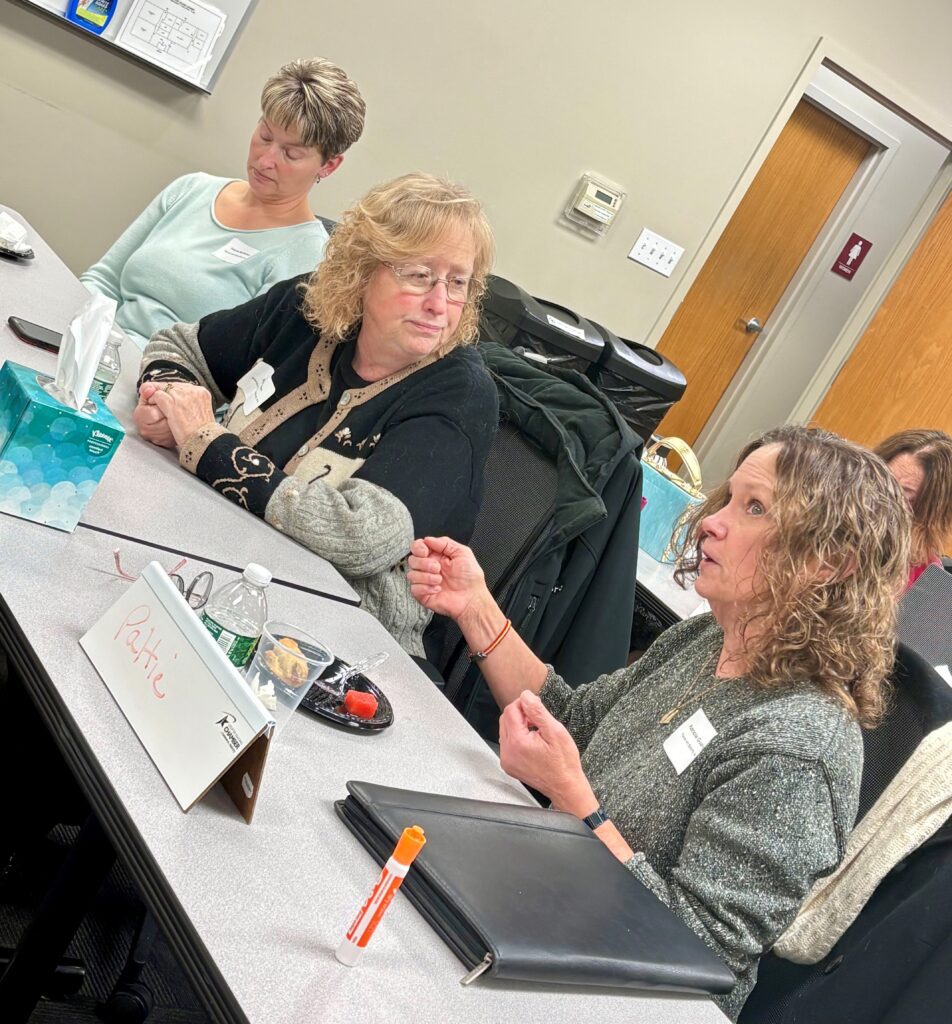
The presentation titled “Preparing for the Future,” which was held at GRCA’s Center for Business Excellence in Wyomissing, brought together an intimate group of 25 family business owners.
Cline told the group that when building a people strategy in your business, especially when you are looking to retire, sell or scale the business, it is essential to identify critical roles, competencies needed and whether the business already has the talent available within the business. This strategy can take three to five years to clearly define.
“I typically get involved in working with organizations when they’re thinking about that next phase of growth or preparation to sell, and they don’t have the family members available to meet the competencies that they need or today they don’t have individuals in the organization that have the competencies,” she said.
When this issue arises, Cline said that long-term incentive plans can help retain the talent in the business who do possess or have the aptitude to acquire the needed skills, but who may not be a part of the family or ownership.
“You have to think about what’s going to motivate that talent, what are they looking for, and, depending on your strategy, how do you best attract retain and incentivize that person to do what you need for your business,” she said.
Cline gave an example of one of her clients whose business experienced an untimely death in its second generation, and the third generation was not quite ready to take the reins. She said she worked with the business to determine who had the potential to fill that void, how to set them up for success and set expectations for their performance all while motivating those employees to stay with the business.
“Sometimes it’s just something as simple as we want to pay competitively, or we know we’re going to be not as competitive on base salary, but we’re going to offer people a better variable comp plan or bonus plan,” said Cline.
A few examples of long-term incentives that employers can offer include stock plans, stock appreciation rights, Supplemental Executive Retirement Plans(SERP) and book value plans.
Boland, who focused on the legal ramifications of business and estate planning, told the group that he is in the same position as them. He is currently working on closing the books for the year and reviewing performance and making sure that good performance is rewarded.
He emphasized that when business owners meet with a legal team it’s important to give them the entire story, so they can best fine tune what is right for the business. Sometimes that means protecting the business assets from those who are not family. For example, asking those marrying in or already married into the family to sign a prenuptial agreement or postnuptial agreement saying they are not entitled to any company stock.
Attending FBA Peer Groups can be helpful to family business owners who want to discuss more sensitive topics such prenuptial agreements or the even more quirky topics better talked about without family around, Boland said.
“You get to toss around some very personal ideas and help each other. We may not come up with an answer that first time but help them move along the path that gets them a little closer to an answer that hopefully makes the business a little bit more successful,” he said.
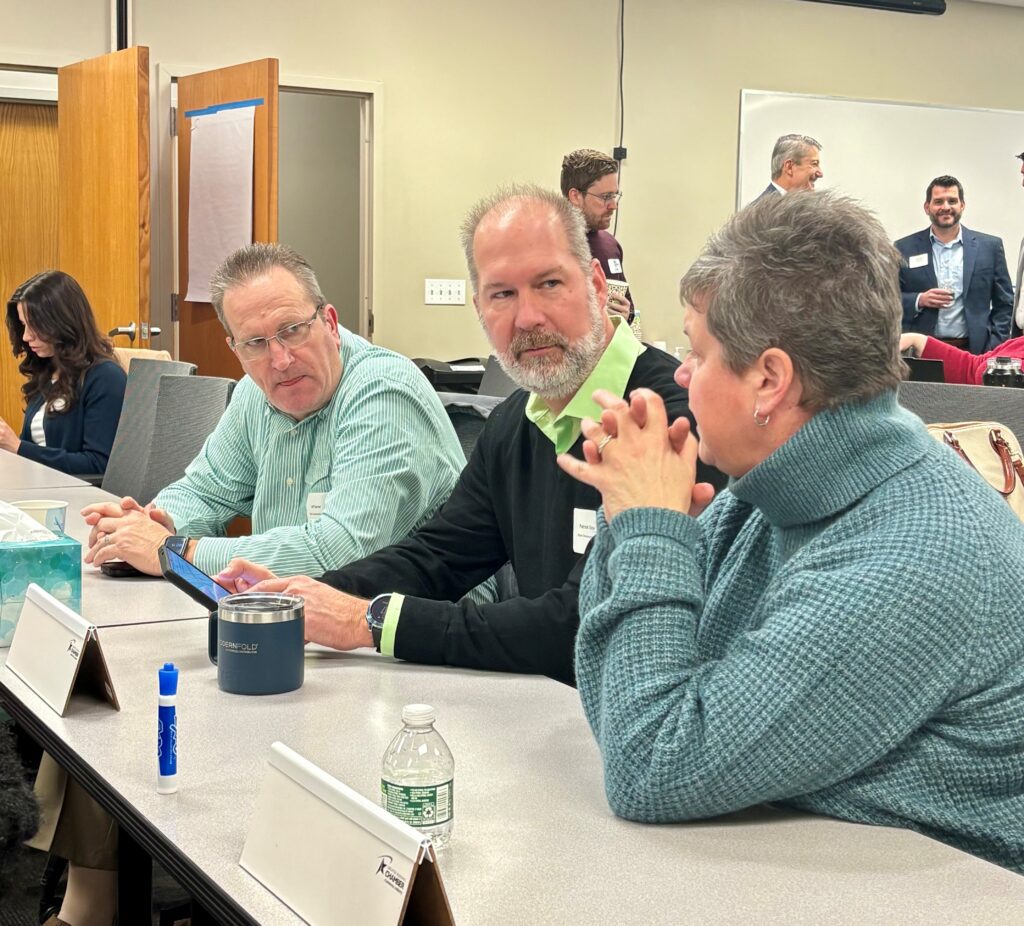
Patrick Dolan, President of Dolan Construction, said the event helped him look beyond today.
“It had people thinking about their future, their retirement, the implications on the estate plan and just an overall broader picture.”
Boland said the attendees were already ahead of the curve by attending the session because many clients come to him and want to make big changes such as private equity or Employee Stock Ownership Plan (ESOP). He said he often has to ask those clients to put on the brakes and understand why they want to make that decision and what problem those changes would actually solve.
“But just the fact that you are here, and you are hearing and thinking about these things in advance, you are ahead of the game,” he said.